


Industrial Product Photography Services for Manufacturers in Pakistan
Industrial Product Photography Services, Manufacturers often focus so much on production quality that marketing visuals get overlooked. Yet in industries like machinery, textiles, construction materials, and electronics, strong photography can be the difference between winning a client and losing one to a competitor with better presentation.
Industrial product photography is a specialized field that captures machinery, factory processes, and manufactured goods in a way that builds trust with buyers, distributors, and investors. This guide explains what industrial product photography involves, why it matters for manufacturers in Pakistan, and how to prepare for a successful shoot.
What Is Industrial Product Photography
Industrial product photography focuses on capturing manufactured goods, machinery, factory environments, and production processes with a professional, technical eye. Unlike typical lifestyle or e-commerce photography, industrial photography often needs to highlight scale, precision, materials, and functionality.
This type of photography is used for catalogs, trade show materials, websites, investor presentations, and business to business marketing. The goal is to present a manufacturer’s capabilities clearly and professionally to buyers who may never visit the factory in person.
Why Manufacturers in Pakistan Need Professional Photography

Pakistan’s manufacturing sector, including textiles, engineering goods, construction materials, and industrial equipment, plays a major role in both local and export markets. Buyers, especially international ones, often make purchasing decisions based heavily on visual presentation before ever visiting a facility.
According to Forbes, strong visual content is processed by the human brain far faster than text, which means high-quality photography can influence buyer trust and decision making more quickly than written descriptions alone. For manufacturers competing in export markets, professional imagery is often what separates a serious inquiry from a missed opportunity.
Key Differences Between Industrial and Regular Product Photography
Industrial photography differs from standard product photography in several important ways.
Scale and environment Industrial subjects, such as heavy machinery or factory floors, often require wide angle shots, careful lighting across large spaces, and sometimes multiple shooting locations within one facility.
Technical accuracy Buyers in industrial markets often look for specific details like material finish, welding quality, or mechanical components. Photography needs to highlight these details clearly and accurately.
Safety and access considerations Factory environments may require safety gear, restricted access areas, and coordination with plant operations to avoid disrupting production during the shoot.
Purpose driven composition While lifestyle product photography often focuses on emotion and setting, industrial photography focuses on clarity, precision, and functionality.
What Industrial Product Photography Services Include
A complete industrial photography service typically covers the following.
Factory and facility photography Wide shots of production floors, machinery, and equipment that showcase scale and capability.
Product and machinery close ups Detailed shots highlighting craftsmanship, material quality, and technical features of manufactured goods.
Process documentation Images capturing key steps in the manufacturing process, useful for company profiles and investor materials.
Catalog and export ready imagery Clean, well lit product shots suitable for catalogs, trade platforms, and international buyer presentations. Many manufacturers pair this with guidance from resources like how to prepare your brand for a professional product shoot to get the best results.
Corporate and team photography Professional images of staff, engineers, or leadership teams for company profiles and marketing materials, often provided through corporate photography services.
Types of Industrial Photography Shoots
Machinery and equipment photography Focused on showcasing the design, build quality, and functionality of manufactured machines or components.
Textile and material photography Common in Pakistan’s textile sector, capturing fabric texture, color accuracy, and material quality for buyers and export catalogs.
Construction material photography Highlighting products such as tiles, pipes, or structural materials with attention to finish and durability.
Process and workflow photography Documenting the manufacturing journey from raw material to finished product, often used in company profile videos or investor presentations.
Export catalog photography Clean, standardized images designed to meet the visual expectations of international buyers and trade platforms.
Equipment and Techniques Used for Industrial Products
Industrial photography often requires different equipment and techniques compared to standard studio shoots.
- Wide angle lenses to capture large machinery or factory spaces
- Portable lighting setups for varied factory environments
- Macro lenses for close up detail shots of materials or components
- Tripods and stabilizers for sharp images in low light industrial settings
- Post-production editing to correct color accuracy and remove distracting background elements
Photographers experienced in industrial work understand how to balance technical accuracy with visual appeal, ensuring the final images look professional without misrepresenting the actual product.
How to Prepare Your Factory or Product for a Shoot
Clean and organize the space Clear away clutter, unused equipment, or safety hazards from areas that will be photographed.
Highlight key selling points Identify which machines, products, or processes best represent your company’s strengths and should be prioritized during the shoot.
Prepare product samples Ensure products are clean, undamaged, and free from dust or fingerprints, especially for close up shots.
Plan around production schedules Coordinate shoot timing with factory operations to avoid disrupting workflow while still capturing authentic, active production shots if needed.
Brief your team Let staff know about the shoot in advance, especially if photography will include people working on the production floor.
According to Shopify, product presentation quality directly affects how buyers perceive value and reliability, which applies just as strongly to industrial and business to business markets as it does to consumer products.
Common Mistakes Manufacturers Make with Product Photography
Using only smartphone photos While convenient, smartphone images often lack the lighting control and detail clarity needed for serious buyer presentations or export catalogs.
Inconsistent image quality across catalogs Mixing photography styles or quality levels across a product catalog can make a company look unorganized or unprofessional.
Ignoring background and clutter Distracting backgrounds or messy factory areas can pull attention away from the actual product being showcased.
Skipping detail shots Buyers often want to see close up details of material quality or craftsmanship, which general wide shots alone cannot capture.
Not updating photography over time As products or facilities change, outdated photography can create a mismatch between marketing materials and actual current capabilities.
How Much Does Industrial Product Photography Cost in Pakistan
Costs depend on several factors, including facility size, number of products, shoot duration, and post-production editing requirements. A single product catalog shoot will cost significantly less than a full facility documentation project covering multiple locations.
General cost factors include:
- Number of products or machines to be photographed
- Facility size and number of shoot locations
- Travel requirements for multi-site manufacturers
- Editing and retouching complexity
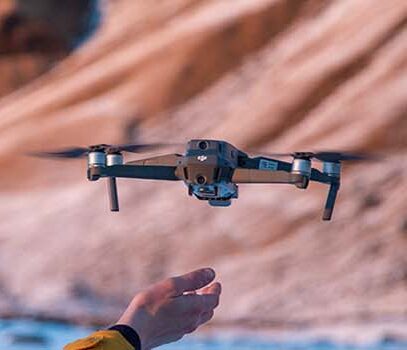
- Additional services like video documentation or drone coverage
Manufacturers can get an accurate quote by discussing their specific needs directly through a booking page, since pricing is usually customized based on project scope.
How to Choose the Right Industrial Photography Team
Check their experience with industrial or manufacturing clients. A photographer skilled in lifestyle or wedding photography may not understand the technical needs of industrial subjects.
Review their portfolio. Look for previous work involving machinery, factories, or manufactured goods to judge their understanding of scale and detail.
Confirm safety awareness. A good industrial photography team understands factory safety protocols and works efficiently without disrupting operations.
Ask about export and catalog experience. If your goal includes international buyers, confirm the team understands the visual standards expected on global trade platforms.
Conclusion
Industrial product photography plays a bigger role in a manufacturer’s success than many businesses realize. From building buyer trust to strengthening export catalogs and investor presentations, professional imagery communicates quality and capability in ways that words alone cannot.
Manufacturers in Pakistan looking to strengthen their visual presentation can explore professional photography solutions through Hamza’s Production or get started by visiting the booking page to discuss facility and product photography needs.
Frequently Asked Questions
Does industrial photography require a studio?
Not usually. Most industrial photography takes place on location at the factory or facility, since capturing real production environments adds authenticity and scale.
How long does an industrial photography shoot take?
This depends on facility size and the number of products or areas to be photographed, ranging from a few hours for a small catalog shoot to multiple days for larger facilities.
Can industrial photography be used for export catalogs?
Yes. Clean, well lit, and consistent imagery is essential for meeting the visual expectations of international buyers and trade platforms.
Should manufacturers update their photography regularly?
Yes. As products, equipment, or facilities change, updated photography helps ensure marketing materials accurately reflect current capabilities.





Leave a Reply