
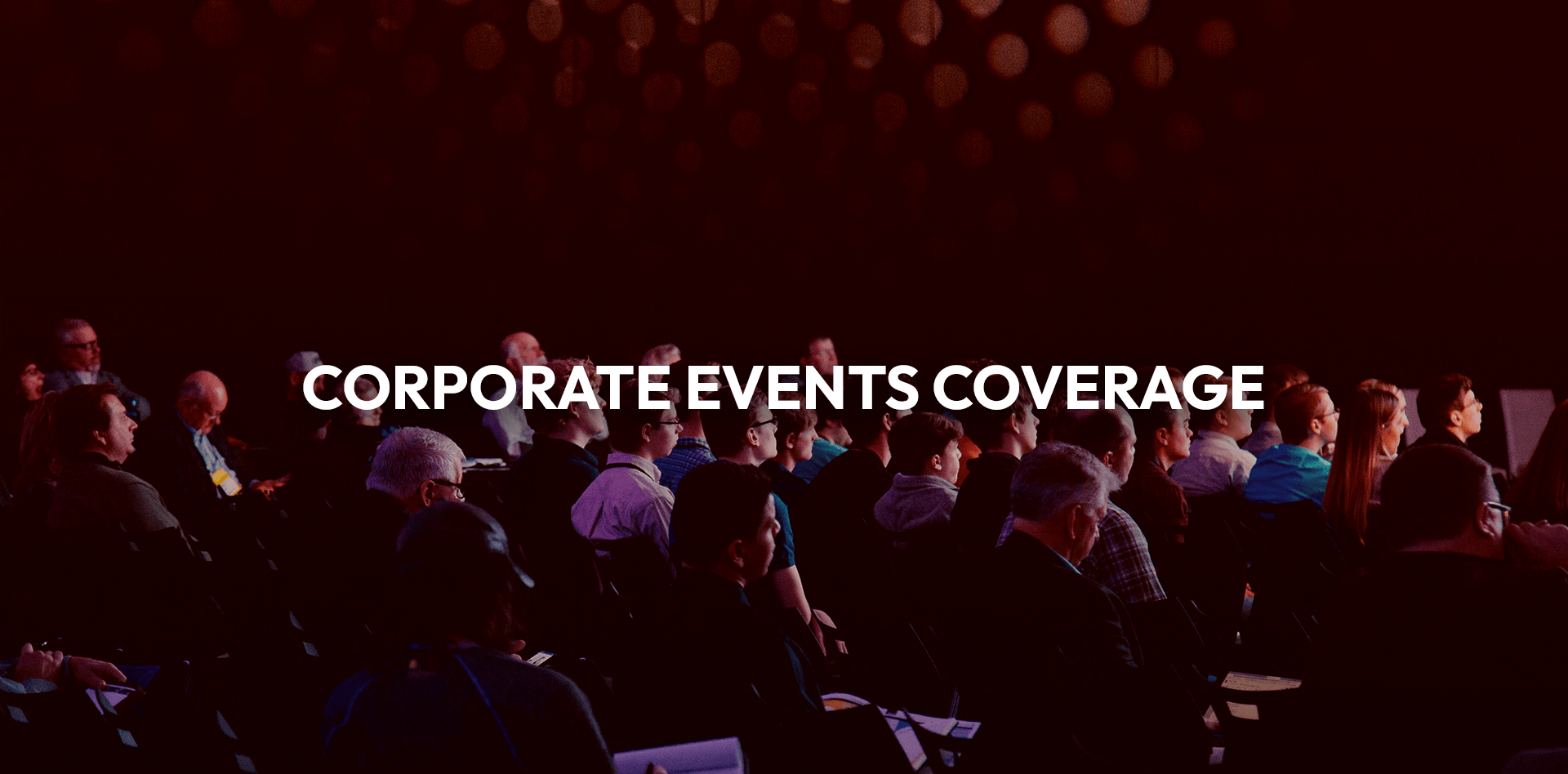
How to Prepare for a Corporate Event Coverage (Step-by-Step Guide)
Corporate events demand detailed planning, coordination, and professional documentation. Whether it is a conference, seminar, product launch, annual meeting, award ceremony, or corporate dinner, proper preparation ensures smooth coverage and high-quality results. This guide walks you through each step needed to prepare and execute corporate event coverage the right way.
Step 1. Understand the Event Purpose
Start by defining the event’s objective. This will determine the style, tone, and type of coverage needed.
- Examples include
- Brand promotion
- Internal communication
- Stakeholder engagement
- Social media marketing
- Press and media release
A well-defined purpose helps the coverage team plan the right format, equipment, and deliverables.
Step 2. Create a Detailed Event Brief
A solid event brief ensures clarity and alignment. Include
- Event type
- Date and timing
- Venue details
- Event agenda
- Key people involved
- Brand guidelines
- Coverage requirements
- Media output formats
Share this with all team members to avoid misunderstandings during the event.
Step 3. Conduct a Venue Recce
Visit the event location before the event date. Check
- Space and stage layout
- Lighting conditions
- Audio setup and speakers
- Backdrop and branding areas
- Available power sources
- Restrictions or security protocols
A recce helps the videography and photography team decide where to position cameras, lights, and tripods for best results.
Step 4. Define the Coverage Requirements
Corporate clients often need multiple content formats. Some common requests include
- Event highlight video
- Full event documentation
- Speeches and presentations
- Corporate interviews
- Panel discussions
- Award and recognition clips
- B roll footage for future use
- Photography of VIP moments
Confirm everything in writing to avoid last-minute changes.
Step 5. Build a Professional Coverage Team
Assign clear responsibilities. A typical corporate event team includes
- Event photographer
- Videographer
- Camera operators
- Lighting technician
- Audio expert
- Production assistant
Professional crew ensures the event is covered smoothly with no missed moments.
Step 6. Prepare Your Equipment Checklist
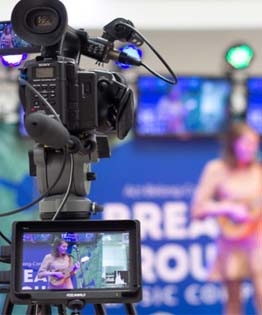
Equipment preparation is essential for successful corporate event coverage. Include
- Full frame cameras
- Backup cameras
- Telephoto and wide lenses
- Tripods and monopods
- LED lights
- Wireless microphones
- Lapel mics for speakers
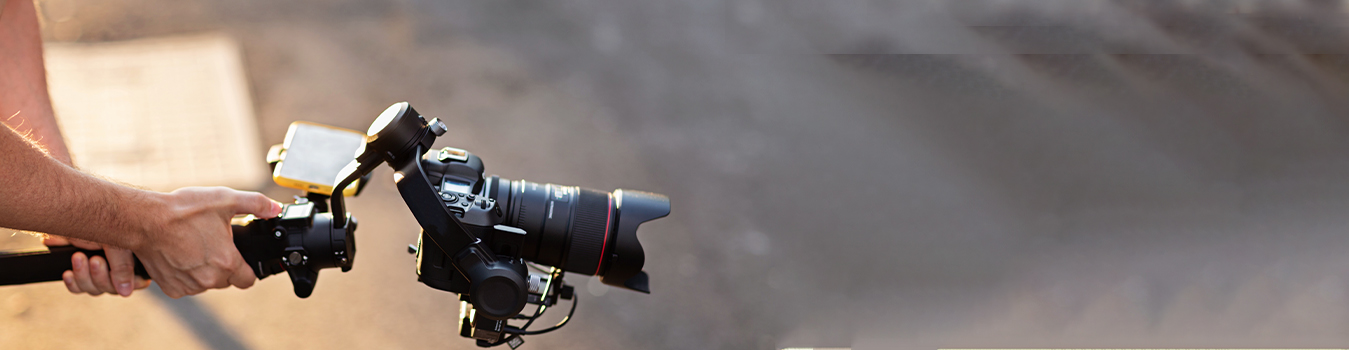
- Gimbal or stabilizer
- Backup memory cards
- Extra batteries
- Portable power packs
Always carry backup equipment to handle unexpected issues.
Step 7. Coordinate With Event Organizers
Meet the event management or PR team to finalize
- Event timeline
- Key speakers
- VIP movements
- Stage walk-ins
- Award timings
- Branding moments
- Special announcements
Staying connected with organizers allows the coverage team to be in the right place at the right time.
Step 8. Plan for Interviews and Testimonials
Corporate events are excellent places to gather testimonials and quick brand messages.
- Choose a quiet area with good lighting
- Prepare short question prompts
- Arrange a branded backdrop
- Use wireless or lapel mics for clear audio
Interview content enhances the final corporate video and adds value to the client.
Step 9. Capture B Roll Footage
B roll adds depth and professional polish to the final content. Capture
- Registration desk
- Crowd interactions
- Networking clips
- Product displays
- Venue setup
- Behind the scenes preparation
- Stage decor
B roll is essential for highlight videos, brand films, and social media content.
Step 10. Manage On-Site Workflow
- During the event
- Follow the timeline
- Monitor audio quality
- Avoid blocking audience view
- Capture VIPs as priority
- Coordinate constantly with organizers
- Review sample shots during breaks
A disciplined workflow ensures consistent and high quality content.
Step 11. Backup Footage Immediately
Once segments of the event are covered, start copying the files to backup storage. Never rely on a single source. Use
- Primary copy
- Backup SSD
- Cloud backup if internet allows
This eliminates the risk of data loss.
Step 12. Begin Post Production
After the event everything moves to editing. This includes
- Sorting and selecting footage
- Editing highlight videos
- Color grading
- Adding branding graphics
- Subtitles
- Music selection
- Sound cleanup
- Exporting in different formats
Deliver professional output aligned with the corporate client’s brand.
Step 13. Deliver Final Content
Provide all deliverables in requested formats such as
- Full HD or 4K video
- Social media cuts
- Square or vertical versions
- Compressed deliverables for email
- High resolution photos
- Archival footage
Always maintain brand consistency and professionalism in the final delivery.
Conclusion
Preparing for corporate event coverage requires organization, communication, and a professional workflow. Following this step by step guide ensures your team captures high quality videos, photos, interviews, and brand moments without missing anything important. Whether it is a product launch, corporate gala, or business conference, well planned coverage strengthens your brand identity and delivers long lasting value.
Contact Us: Connect with us through the following channels:
Phone: +92 333 158 5 135
Phone: +92 300 151 4 151
Phone: +97 1 565 0 5818 3
Email: hamzasproduction@gmail.com
Visit Our Website: Explore our portfolio, learn more about our services, and get a glimpse of our previous work on our official website https://hamzasproduction.com
Visit Us:
Islamabad:5th floor, Feroz Center, G-6/2 Islamabad
Dubai:Al Ghazal Mall – Mezzanine Floor – 2nd December St – Dubai – United Arab Emirates
Stay Connected: Follow our blog for regular updates, photography tips, and behind-the-scenes insights into the world of Hamza’s Production. We look forward to being part of your special moments and helping you create memories that last a lifetime.




Leave a Reply