
Indoor vs Outdoor Event Photography: Pros and Cons
Indoor vs Outdoor Event Photography, Every event has a story, and photos are how that story gets remembered. But before a photographer picks up a camera, one big question needs an answer. Should the shoot happen indoors or outdoors?
Both settings have strengths. Both come with challenges too. Understanding these differences helps you plan a shoot that looks great and runs smoothly, whether it is a wedding, a birthday party, or a corporate event.
In this guide, we will break down indoor and outdoor event photography in simple terms. You will learn what each style involves, the pros and cons of both, and how professionals like the team at Hamza’s Production plan around lighting, weather, and location to get the best results.
Table of Contents
What Is Indoor Event Photography
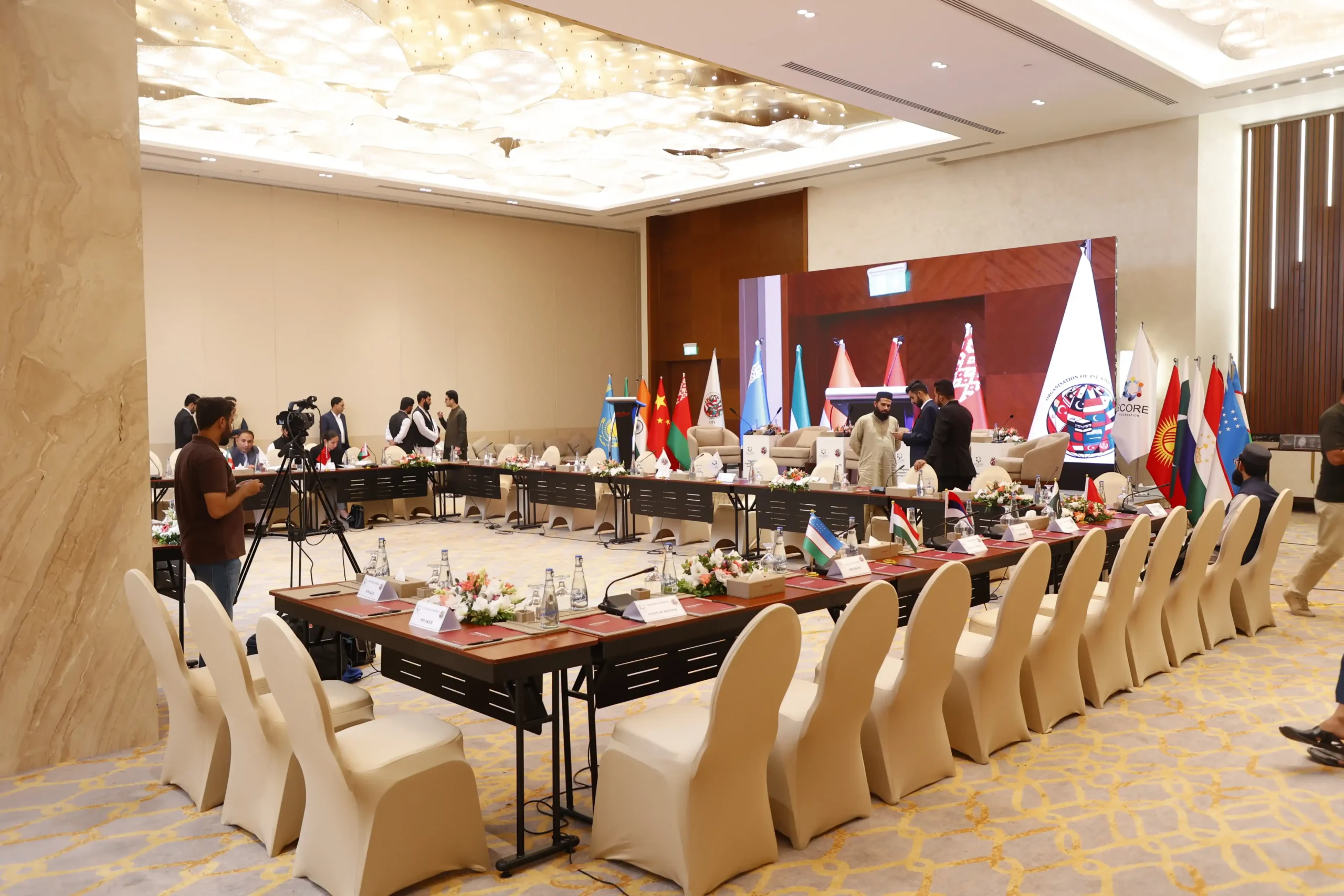
Indoor event photography happens inside a building. This could be a banquet hall, a hotel ballroom, an office, or a home. The photographer controls the environment more easily because walls, ceilings, and windows block out unpredictable weather.
Common indoor events include weddings, corporate conferences, product launches, and birthday parties. Photographers often rely on artificial lighting such as flashes, studio lights, or the venue’s own lighting setup to capture clear, well lit photos.
What Is Outdoor Event Photography
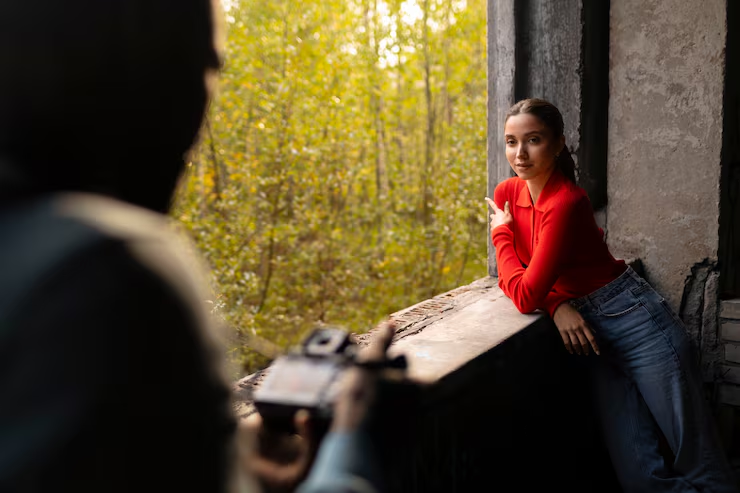
Outdoor event photography takes place in open spaces like gardens, beaches, parks, or rooftops. Natural sunlight becomes the main light source, which can create soft, warm, and natural looking photos.
Outdoor shoots are popular for weddings, engagement sessions, festivals, and sports events. The scenery adds depth and beauty to the images, but it also means the photographer has less control over lighting and weather conditions.
Pros of Indoor Event Photography
1. Full control over lighting Indoors, a photographer can set up lights exactly where they want them. This means consistent brightness in every photo, no matter the time of day.
2. No weather worries Rain, wind, or harsh sun will not ruin the shoot. The event stays on schedule and the photos stay predictable.
3. Better background control Indoor venues often have decorated backdrops, stages, or themed setups that add a polished, professional look to photos.
4. Comfortable environment Guests and clients often feel more relaxed indoors, especially during long events like conferences or formal dinners. This comfort often shows in natural, happy expressions.
5. Easier for large groups Banquet halls and conference rooms are built to fit many people. Group shots become simpler to organize and light evenly.
Cons of Indoor Event Photography
1. Limited space Small rooms can make it hard to get wide shots or creative angles. The photographer may need to work within a tight area.
2. Artificial lighting challenges Poor venue lighting, like dim yellow bulbs or mixed color temperatures, can create photos that need extra editing to look natural.
3. Less variety in backgrounds Unlike outdoor settings, indoor spaces offer fewer natural elements like greenery, skies, or scenery to add visual interest.
4. Equipment heavy Photographers often need to bring extra lighting gear, stands, and diffusers, which takes more setup time before the event starts.
Pros of Outdoor Event Photography
1. Natural, soft light Sunlight, especially during early morning or late afternoon, creates a warm, flattering glow often called golden hour light. Many photographers consider this the most beautiful natural light available, a point echoed by resources like Adobe’s photography guides.
2. Beautiful, varied backdrops Gardens, mountains, city skylines, and beaches all add character to photos that indoor walls simply cannot match.
3. More space for creativity Wide open areas allow for drone shots, group formations, and candid movement shots that feel less staged.
4. Great for large scale events Festivals, outdoor weddings, and sports days often need wide coverage, which open spaces naturally support.
Cons of Outdoor Event Photography
1. Weather is unpredictable Rain, wind, or sudden temperature changes can disrupt the entire shoot and require quick backup plans.
2. Harsh midday sunlight Shooting between late morning and early afternoon can create strong shadows and squinting subjects unless the photographer manages the light carefully.
3. Uncontrolled background elements Passing cars, strangers, or changing crowds can accidentally appear in the frame, requiring more careful composition or editing.
4. Limited lighting after dark Once the sun sets, outdoor photographers need portable lighting equipment to keep photos clear and sharp.
Indoor vs Outdoor: Quick Comparison Table
| Factor | Indoor Photography | Outdoor Photography |
|---|---|---|
| Lighting control | High | Low to moderate |
| Weather dependency | None | High |
| Background variety | Limited | Wide |
| Setup time | Longer, equipment heavy | Shorter, but weather checks needed |
| Best for | Formal events, conferences, weddings in halls | Weddings, festivals, nature themed shoots |
| Editing needs | Moderate, color correction | Moderate, exposure balancing |
Lighting: The Biggest Difference
Lighting is the single biggest factor separating indoor and outdoor photography. Indoors, photographers depend on artificial sources such as flashes, LED panels, or studio strobes. This gives full control but requires skill to avoid flat or overly bright images.
Outdoors, natural light changes constantly throughout the day. A photographer needs to understand how the sun moves and plan shoot times around it. Many professional photographers, including those featured by B&H Explora, recommend shooting during golden hour for the most flattering natural light.
Understanding both lighting styles is part of what separates a good photographer from a great one. Skilled photographers, such as the team behind Hamza’s Production wedding photography services, often blend natural and artificial light to get the best of both worlds.
Equipment Needed for Each Setting
Indoor shoots typically need:
- External flashes or studio lights
- Light stands and diffusers
- Reflectors to bounce light softly
- A camera with strong low light performance
Outdoor shoots typically need:
- Lens filters to manage bright sunlight
- Reflectors or portable flashes for shadow areas
- Weather protection for camera gear
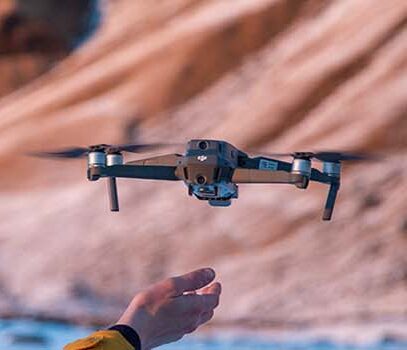
- Drones for aerial shots, which have become increasingly popular for large outdoor events, as seen in Hamza’s Production drone photography services
How to Choose the Right Style for Your Event
Choosing between indoor and outdoor photography depends on a few simple questions.
What type of event is it? Formal corporate events often work best indoors, where lighting and setup remain consistent. Casual celebrations or nature themed weddings often shine outdoors.
What season is it? Extreme heat, cold, or rainy seasons make indoor venues a safer, more reliable choice.
How many guests are attending? Large gatherings sometimes need the open space that outdoor venues provide, especially for events like conferences or product launches, which is where professional event management services can help plan logistics smoothly.
What mood do you want in the photos? Indoor photos often feel elegant and formal. Outdoor photos often feel relaxed and natural.
If you are still unsure, many professional studios offer both options and can guide you based on venue, budget, and event size. Businesses planning conferences or brand events can also look into corporate event coverage to understand what setup fits their needs best.
Tips for Mixed or Hybrid Events
Some events combine both indoor and outdoor spaces, like a wedding with an outdoor ceremony followed by an indoor reception. Here are a few simple tips to manage this smoothly.
- Plan a lighting schedule that matches each part of the event.
- Scout the venue beforehand to identify the best natural light spots and darker indoor corners.
- Bring backup lighting equipment for evening or low light indoor moments.
- Communicate the day’s timeline clearly with your photography team so transitions between locations run smoothly.
Careful planning ensures that no part of the event, whether under the sky or under a roof, gets left with weaker photos.
Conclusion
Both indoor and outdoor event photography have their own strengths. Indoor photography offers control, consistency, and comfort. Outdoor photography offers natural beauty, creative backdrops, and a relaxed atmosphere. Neither style is better than the other. The right choice depends on your event type, season, guest count, and the mood you want your photos to capture.
Working with an experienced photography team helps take the guesswork out of this decision. If you are planning an event and need expert guidance on lighting, location, and coverage, you can explore the full range of services offered by Hamza’s Production or get in touch through their booking page to start planning your shoot.
Frequently Asked Questions
Is outdoor photography always better for weddings?
Not always. It depends on the season, venue, and time of day. Indoor venues can be just as beautiful when lighting is handled well.
What time of day is best for outdoor event photography?
Early morning or late afternoon, often called golden hour, gives the softest and most flattering natural light.
Do indoor events need more equipment?
Yes, indoor shoots usually require additional lighting gear since natural light is limited or inconsistent.
Can photographers combine indoor and outdoor shots in one event?
Yes, many events use both settings, and experienced photographers plan lighting and timing to keep the style consistent across all photos.




Leave a Reply