
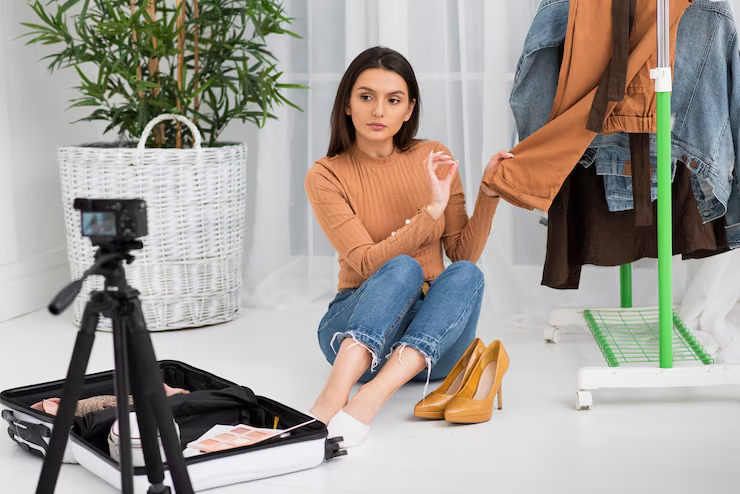
Modeling Shoot Preparation Guide for New Models in 2026
Modeling Shoot Preparation Guide, Walking into your first modeling shoot without preparation is one of the most avoidable ways to get poor results from what could be a great opportunity. The photographs from your first professional shoot will likely form the foundation of your model portfolio, and the quality of those images will directly affect how seriously agencies, brands, and photographers take you in the months and years ahead.
Preparation is not complicated. It does not require expensive products, a professional makeup team, or years of experience on set. What it requires is understanding what a modeling shoot involves, knowing what you need to bring and do, and showing up ready to work with the photographer rather than against the camera.
This guide walks through every step of modeling shoot preparation for new models, from the days leading up to the shoot through the moment you are standing in front of the lens.
Table of Contents
What to Expect from Your First Modeling Shoot
A professional modeling shoot is a collaborative creative process between the model, the photographer, and often a stylist, makeup artist, and creative director. It is not a casual photo session. It is a working environment where time is structured, decisions are made quickly, and the ability to take direction and adapt is as important as how you look.
During a shoot, you will typically move through multiple looks, poses, and sometimes locations within a set timeframe. The photographer will direct you constantly, asking you to adjust your position, your expression, the angle of your head, or the direction of your gaze. Your job is to listen to those directions, respond quickly, and maintain energy and presence throughout.
Understanding this environment before you arrive removes the anxiety that slows down many first-time models and replaces it with a focused, professional readiness that shows in the final images.
Step 1: Understand the Purpose of the Shoot
Before you prepare a single outfit or book a makeup appointment, you need to know what the shoot is for. A portfolio shoot designed to show your range to modeling agencies requires a different selection of looks from a commercial shoot for a clothing brand, which requires different preparation from a fashion editorial shoot or a product shoot.
The purpose of the shoot determines the outfits you prepare, the makeup style that is appropriate, the poses and expressions that will be expected, and the locations where the shoot will take place. A model who prepares for a casual lifestyle shoot and then arrives at an editorial session has wasted preparation time and may not have the right looks available on the day.
Confirm the brief with your photographer or the brand commissioning the shoot before you begin any preparation. Ask what styles of images are expected, what the final images will be used for, whether hair and makeup will be provided or should be self-arranged, and whether you need to bring specific items or clothing types.
Step 2: Take Care of Your Skin in the Days Before
The camera shows everything. Clear, healthy, well-hydrated skin photographs better than skin that is dry, stressed, or broken out, and no amount of post-production editing produces results as natural and as flattering as skin that is genuinely in good condition on the day of the shoot.
In the week before a shoot, focus on staying hydrated by drinking enough water daily, getting adequate sleep every night, avoiding alcohol and very salty or processed foods that cause bloating and puffiness, and maintaining whatever skincare routine you use consistently without introducing new products that might cause a reaction.
In the two to three days before the shoot, avoid trying any new face masks, exfoliants, or treatments that could irritate your skin. Stick to what you know works for you. If you wax or thread facial hair, do this at least five days before the shoot to allow any redness or sensitivity to fully settle before you are in front of a camera.
On the morning of the shoot, cleanse and moisturize as normal, but avoid applying heavy skincare products immediately before makeup is applied, as they can prevent makeup from sitting correctly on the skin.
Step 3: Plan Your Outfits Carefully
Outfit selection is one of the most important preparation tasks for any modeling shoot, and it is one that new models consistently underestimate. The clothes you bring to a shoot directly affect what types of images are possible and how professional the final photographs look.
For a portfolio shoot covering multiple looks, bring variety. Think of your outfit choices in terms of the different moods or styles they represent: one casual daywear look, one smart or semi-formal look, one bold or fashion-forward look, and one simple neutral look that shows your features without the outfit becoming the subject of the photograph. This variety gives the photographer options and gives your portfolio images that show you in different contexts.
For all outfits, choose clothes that fit you well. Clothes that are too loose look shapeless in photographs and create unflattering shadows. Clothes that are too tight look uncomfortable and restrict your movement during posing. Well-fitting clothes that you are comfortable moving in always photograph better than technically impressive outfits that you cannot move freely in.
According to Vogue, the most successful fashion editorial images come from models who look genuinely comfortable in what they are wearing, because discomfort is immediately visible in posture, expression, and the quality of movement within a pose. Wear clothes you feel good in, not just clothes that look impressive on the hanger.
Check every outfit for loose threads, missing buttons, visible stains, or creases before the shoot day. Steam or iron everything the night before so that nothing needs to be dealt with on the morning of the shoot when your time should be focused on other preparation.
Step 4: Get Your Hair and Makeup Right
For most professional modeling shoots, makeup should be clean, well-applied, and appropriate to the look being photographed. This is not necessarily the same as everyday makeup. Camera lighting shows skin differently from natural light, and makeup that looks natural in a mirror can appear flat or washed out on camera.
If you are doing your own makeup for a shoot, use a slightly heavier hand than you normally would, particularly on the eyes and lips where definition reads more clearly in photographs. Ensure your foundation or base is well-blended with no visible lines at the jaw or hairline, as these are very noticeable in professional photographs.
If a makeup artist is provided for the shoot, trust their judgment. Professional makeup artists who work on modeling shoots understand how makeup reads on camera and will apply products and techniques specifically designed to photograph well. Communicate any allergies or sensitivities clearly before they begin, but otherwise allow them to do their job without excessive direction.
Hair should be clean, controlled, and styled to suit the shoot brief. Very flyaway or frizzy hair creates visual distraction in photographs and requires significant retouching. If you tend toward flyaways, use a light hold product before the shoot. Bring the styling products you use with you on the day in case touch-ups are needed between looks.
Harper’s Bazaar consistently notes that the models who produce the strongest portfolio images are those who arrive on set with their personal grooming already in excellent condition, allowing the shoot team to build on a strong foundation rather than spending time correcting preparation issues.
Step 5: Sleep Well the Night Before
This is the preparation step that is easiest to overlook and one of the most important. Lack of sleep shows immediately in photographs. Puffy eyes, dull skin, low energy, and reduced ability to hold expressions and poses for extended periods are all direct consequences of a poor night’s sleep, and none of them can be fully corrected by makeup or post-production editing.
Aim for seven to eight hours of sleep the night before any professional modeling shoot. Avoid late nights on social media, excessive screen time, or activities that leave you mentally overactive when you are trying to sleep. If you struggle to sleep before important events due to nerves, prepare everything for the shoot the night before so that your mind is not running through checklists when you should be resting.
Step 6: Know the Location and Arrive Early

Confirm the shoot location in advance and know exactly how to get there. For shoots in unfamiliar locations, do a route check the day before so there are no navigation surprises on the morning of the shoot.
Arriving early to a modeling shoot is a professional standard, not an optional courtesy. Arriving late disrupts the shoot schedule, reduces the time available for your session, and creates a negative first impression with the photographer and the rest of the shoot team that is difficult to recover from.
Aim to arrive ten to fifteen minutes before the scheduled start time. This gives you time to see the space, change into your first look calmly, speak briefly with the photographer about the plan for the session, and settle any nerves before the camera starts.
Hamza’s Production’s modeling shoots service operates across multiple indoor studio and outdoor location settings across Islamabad and Dubai. Their team briefs every model in advance about the location, the schedule, and what to expect on the shoot day so that new models arrive prepared and confident rather than uncertain and rushed.
Step 7: Bring Everything You Need on the Day
Create a shoot day bag that contains everything you might need during the session. This should include all your planned outfits on hangers or neatly folded so they arrive without new creases, your shoes and accessories for each look, your personal makeup kit for touch-ups between looks, any hair products or styling tools you use, your skincare for hydration touch-ups if the shoot is long, a small snack and water to maintain your energy during the session, and a small sewing kit or fashion tape for wardrobe emergencies.
Do not rely on the shoot team to provide personal items unless they have specifically confirmed they will. Professional modeling shoots move quickly, and time spent searching for a missing accessory or waiting for someone to find a safety pin is time taken away from the actual photography.
Step 8: Understand Basic Posing Before You Arrive
You do not need to arrive at your first modeling shoot as a fully trained commercial model. But having a basic understanding of posing principles will help you respond more quickly to the photographer’s direction and produce stronger images in less time.
The most important posing principle for new models is to create angles and lines with your body rather than standing flat and square to the camera. Turn your body slightly to one side so that the camera sees you at an angle rather than front-on. Shift your weight onto your back foot so that your hips naturally angle away from the camera. Keep your chin slightly forward and down to define the jaw line and prevent unflattering shadows under the chin.
Practice in front of a mirror at home before the shoot. Try different positions, see which angles you find most flattering, and practice holding a position for several seconds without moving. The ability to hold a pose still while the photographer adjusts the frame or the lighting is a basic modeling skill that saves significant time on set.
The Professional Photographers of America notes that the most productive modeling sessions are those where the model and photographer establish a quick working rhythm early in the session, which requires the model to respond consistently and quickly to direction without needing extended explanation for each adjustment.
Step 9: Communicate Clearly with Your Photographer
A good working relationship with your photographer starts with clear, open communication from the beginning of the session. Before you start shooting, take a few minutes to discuss the brief, confirm what looks you will be shooting and in what order, and ask any questions you have about the plan for the session.
During the shoot, tell the photographer if something is not working for you physically, if a certain pose or direction is uncomfortable, or if you have an idea you want to try. Good photographers welcome this input because it contributes to better images. What they do not welcome is constant interruption, secondguessing of their direction, or a model who is distracted and unresponsive.
After each set of frames, many photographers will show the model previews of the images on their camera screen. Take these preview moments seriously. Look at what is working and what is not, ask the photographer for feedback, and use what you see to improve the next set of frames. This feedback loop between model and photographer is one of the most valuable parts of any shoot session.
Step 10: Stay Relaxed and Be Patient on Set
Nerves are normal on a first modeling shoot. Every successful model has had a first shoot where they felt uncertain, self-conscious, or unsure of what they were doing. The difference between a first shoot that produces usable images and one that does not is usually whether the model was able to relax enough to be genuinely present in front of the camera.
Tension shows immediately in photographs. Tight shoulders, a fixed expression, stiff movement, and eyes that look slightly panicked are all signs of a model who has not yet relaxed into the session. The best modeling images come from subjects who look genuinely comfortable, whether the expression is serious, joyful, intense, or relaxed.
Spend the first few minutes of a shoot warming up rather than trying to produce the perfect image from the very first frame. Move around, try different positions, talk to the photographer, and allow yourself to get used to the camera before worrying about producing your best work. Most photographers expect and allow for a warm-up period, especially with new models.
Patience is equally important. Professional shoots have their own pace, and that pace is rarely as fast as new models expect. Lighting adjustments, wardrobe changes, location moves, and technical checks all take time. Remaining positive, energetic, and engaged during these pauses rather than becoming impatient or visibly tired is a professional quality that photographers notice and remember.
Common Mistakes New Models Make on Their First Shoot
Several avoidable errors consistently affect the quality of first modeling shoots. Arriving without adequate sleep is the most damaging because it affects every physical quality that the camera captures. Bringing outfits that have not been properly checked for creases, stains, or fit problems wastes time on set and produces unusable images.
Over-directing the photographer, constantly asking to see the camera screen after every shot, or questioning creative decisions mid-session slows the shoot significantly and damages the working relationship. Trust the photographer to do their job and focus on doing yours.
Moving too quickly or too slowly between positions is another common issue. New models often either freeze completely between direction changes or rush to the next position so quickly that they never fully settle into each pose. Listen to the direction, move deliberately, and hold each position for a moment to allow the photographer to capture it properly.
Not communicating a genuine problem is the final common mistake. If you are physically uncomfortable, if an outfit is genuinely not working, or if you need a short break, say so clearly and briefly. Pushing through genuine discomfort without communicating produces tension in the images and does not serve anyone well.
How to Build a Strong Model Portfolio from Your First Shoot
The goal of your first professional modeling shoot is not to produce one perfect image. It is to produce a small collection of diverse, strong images that show different aspects of your look and range to people who might want to work with you in the future.
A strong starter portfolio typically includes three to five images showing different looks, expressions, and moods. One full-length shot showing your physical proportions and posture. One or two mid-length shots showing outfits and personal style. And one or two close portraits showing facial features and expressiveness.
For models in Pakistan building portfolios for local fashion and commercial work, Hamza’s Production’s modeling shoots service provides a complete portfolio shoot package designed specifically for new models, covering multiple looks across studio and location settings with professional lighting, art direction, and post-production editing that produces portfolio images ready for submission to agencies and brands.
For models who also need professional printed portfolio albums, their album design and print service transforms digital images into professionally designed and printed physical portfolios that make a strong impression in agency meetings and brand presentations.
What Makes a Good Modeling Shoot Location in Pakistan
The location of a modeling shoot has a significant impact on the visual character of the final images. Different locations suit different types of portfolio content, and choosing the right setting for your shoot brief produces more versatile and more impressive results than using a single generic background for every look.
Studio locations with controlled lighting and neutral backgrounds are ideal for clean portfolio shots where the focus is entirely on the model and the outfit without environmental distraction. Studio images are easy to use across multiple platforms and contexts because they have no location-specific visual characteristics that date them or limit their applicability.
Outdoor locations including gardens, architectural settings, urban environments, and natural landscapes add context, texture, and visual interest to portfolio images. Hamza’s Production’s Islamabad farmhouse location in Gulberg Greens offers lush green outdoor settings, elegant architectural spaces, and diverse visual environments that suit wedding shoots, fashion shoots, and model portfolio sessions equally well.
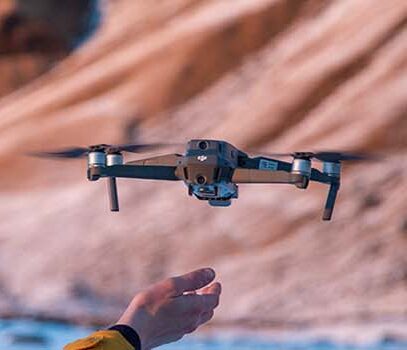
For portfolio images that include aerial perspectives, such as wide shots of the model within a large landscape or architectural environment, their drone photography capability adds a dimension to portfolio shoots that ground-level photography alone cannot provide.
How Hamza’s Production Supports New Models in Pakistan and Dubai
Hamza’s Production has over 15 years of experience working with new and established models across Pakistan and Dubai. Their modeling shoots service is designed to be accessible and productive for models at every stage of their career, with a team that provides clear direction, a comfortable working environment, and the professional lighting and post-production quality that produces portfolio images that genuinely open doors.
Their photography team is experienced in directing new models who have never worked in front of a professional camera, building the rapport and the pace of direction that allows even first-time models to relax quickly and produce genuinely strong work within their first session.
For models who also want to see how professional product photography works alongside their portfolio shoots, Hamza’s Production’s product photography team often works alongside the modeling team on brand and commercial sessions, giving new models who are interested in commercial work direct exposure to that environment.
Final Thoughts: Your First Shoot Is the Start of Something Real
Every model with a strong portfolio started with a first shoot where they were new, slightly nervous, and not entirely sure what they were doing. What made the difference between models who went on to build real careers and those who did not was preparation, professionalism, and a willingness to learn from every session they completed.
Your first modeling shoot is not a test you need to pass perfectly. It is the beginning of a learning process, and the images you come away with, however strong or limited, are the raw material from which your professional identity as a model will be built.
Prepare thoroughly, show up ready, communicate clearly, stay relaxed, and trust the process. The rest follows from those five things, session by session, image by image.
To book a professional modeling shoot in Pakistan or Dubai with a team that specializes in helping new models build their portfolio, visit Hamza’s Production and get in touch with the team today.


Leave a Reply