

How to Plan a Television Commercial Production (Step-by-Step)
A television commercial is one of the most powerful tools a brand can use. When it is done well, it makes people stop, watch, and remember. When it is done poorly, it wastes money and gets ignored. The difference between the two almost always comes down to planning.
This guide walks you through every step of television commercial production, from the first idea to the final file your broadcaster will air.
Table of Contents
What Is a Television Commercial and Why Does It Still Matter?
A television commercial, often called a TVC, is a short video advertisement made to run on television. Most run between 15 and 60 seconds. In that short window, a brand needs to grab attention, deliver a clear message, and leave a lasting impression.
Some people assume TV ads are becoming less important now that everyone is online. The reality is different. According to Think with Google, video is one of the most effective formats for building brand awareness, and television still reaches some of the largest audiences in markets like Pakistan and the Middle East. A well-produced TVC can also be repurposed for digital platforms, making it an investment that works across multiple channels at once.
If you are a business thinking about producing a commercial, understanding how the process works will help you make smarter decisions, get better results, and avoid expensive surprises.
Step 1: Define Your Goal and Your Audience
Before you think about cameras or locations, you need to answer two questions: what do you want people to do after seeing your ad, and who are those people?
Your goal might be to get people to visit your store, call a number, try a new product, or simply remember your brand name. Your audience might be young parents, working professionals, students, or business owners. Everything that comes after this step, the script, the visuals, the tone, all of it needs to be built around these two answers.
Be as specific as possible. “We want everyone to know our brand” is not a goal. “We want people aged 25 to 40 in Lahore to visit our new branch” is a goal you can actually build a commercial around.
Step 2: Develop Your Creative Concept
Once you know your goal and audience, you can start building the idea at the heart of your commercial. This is called the creative concept, and it is the single most important decision in the entire process.
A strong concept has one clear idea. It does not try to say five things at once. It picks one message and says it in a way that sticks. That message might be delivered through humor, emotion, a surprising moment, or a simple demonstration of how your product works.
According to Harvard Business Review, brands that connect with people through a real, human story outperform those that focus purely on product features. Think about what your brand stands for, not just what it sells, and build your concept from there.
At this stage, a production team will typically present a few concept options, sometimes called treatments, so you can choose the direction that fits your brand best.
Step 3: Write the Script
The script is the written plan for everything that will happen in your commercial. It describes what viewers will see on screen, what they will hear, and what text or graphics will appear. A good script for a 30-second commercial is usually only about 70 to 80 spoken words, because people can only absorb so much in a short time.
The script should make every second count. Viewers decide whether to keep watching within the first three seconds, so the opening moment needs to be strong. Whether that is a striking image, a bold question, or an unexpected situation, it needs to pull people in immediately.
If your commercial includes a voice-over, the script also needs to sound natural when spoken aloud. It is worth working with a professional voice-over team to ensure the tone, pacing, and delivery match your brand’s personality and the visual content of the ad.
Step 4: Plan the Production (Pre-Production)
Pre-production is everything that happens before the camera starts rolling. This stage is where most of the real work takes place, and where most commercial shoots either succeed or run into problems.
Location scouting means finding the right place to film. That might be a real location like a shop, a home, or an outdoor space, or it might be a purpose-built set in a studio. The location needs to match what the script requires and be practical to film in, with enough space for the crew, the equipment, and the lighting setup.
Casting is the process of choosing the actors or models who will appear in your commercial. The right people on screen can make a commercial feel genuine and relatable. A production company like Hamza’s Production handles casting as part of the full production package, finding talent that fits both the creative concept and the brand’s image.
This stage also includes building a shot list, which is a detailed plan of every individual camera shot that will be needed to tell the story, and a production schedule that maps out exactly what will be filmed, when, and where.
Step 5: The Shoot Day
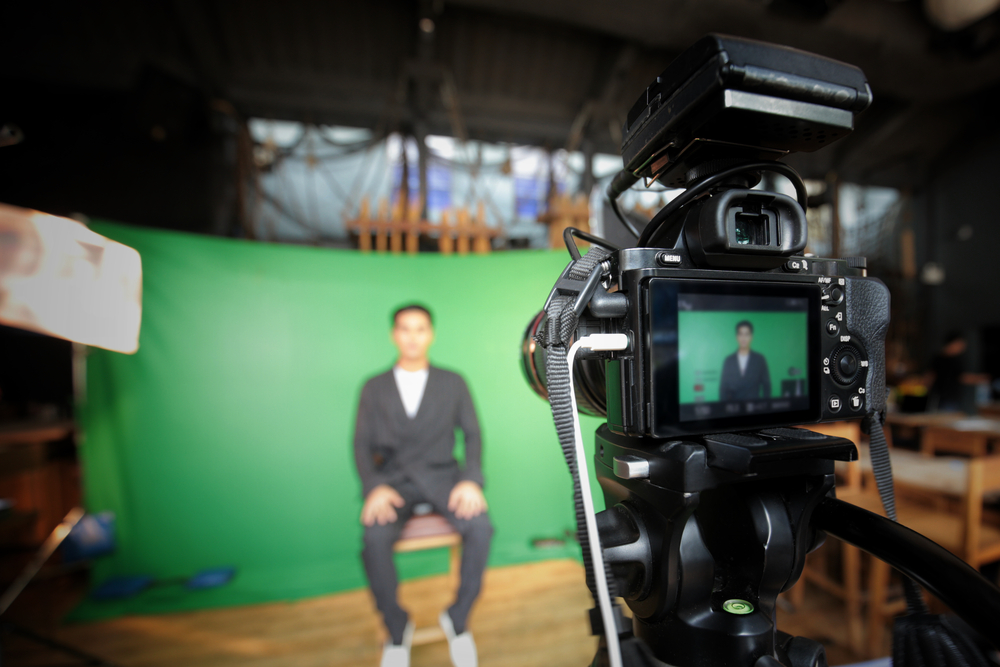
On the day of filming, the production crew brings everything together. A professional TVC shoot typically involves a director, camera operators, lighting technicians, a sound recordist, a makeup and styling team, and a production manager who keeps everything running on schedule.
The director’s job is to make sure each shot matches the script and the creative concept. Camera operators work to capture each scene with the right framing and movement. Lighting is set up carefully before each shot because the quality of light in a commercial directly affects how professional and polished the final product looks.
Shoot days can run for eight to twelve hours depending on the number of locations and scenes. Having a clear, detailed production plan from the pre-production stage makes the difference between a smooth, efficient shoot and one that runs over time and budget.
A promotional video shoot follows a very similar process, which is one reason many brands choose to produce both a full TVC and a shorter digital promotional version at the same shoot, saving time and cost.
Step 6: Post-Production, Editing, and Finishing
Once filming is complete, the footage goes into post-production. This is where the commercial is actually built from the raw material captured on set.
Editing involves selecting the best takes from each shot and cutting them together in the right order to tell the story clearly and efficiently. A skilled editor shapes the pacing of the commercial, choosing how long each shot stays on screen and how one scene transitions into the next.
Sound design is added at this stage, including the voice-over, background music, and sound effects. Music choice is important because it sets the emotional tone of the whole ad. Digital video commercials often go through the same post-production process, which makes it easy to create multiple versions of the same content for different screens and platforms.
Color grading is the process of adjusting the color and look of the footage to make it consistent throughout and to create a specific visual atmosphere. A graded commercial looks polished and intentional rather than raw and unfinished.
Motion graphics, text, and any on-screen branding elements are added last before the final version is reviewed and approved by the client.
Step 7: Getting Your Commercial Broadcast-Ready
Before your commercial can air on television, it needs to meet the technical standards set by each broadcaster. These standards cover file format, resolution, audio levels, and duration. Submitting a file that does not meet these requirements means it will be rejected and will need to be fixed before it can run.
A professional production company handles all of this as part of the final delivery. They know what each broadcaster in Pakistan and the region requires, and they prepare and submit your file accordingly. This is connected closely to broadcasting services, which ensure your commercial reaches its intended audience on the right channels at the right times.
According to the Interactive Advertising Bureau, standardized broadcast specifications exist to ensure all commercials deliver a consistent viewing experience for audiences, which is why compliance is non-negotiable for any ad intended for national or regional broadcast.
How Long Does It Take to Produce a TV Commercial?
A simple, single-location commercial with a small cast can be produced in two to three weeks from concept to delivery. A more complex production with multiple locations, larger cast, and detailed post-production work can take four to eight weeks.
Rushing the process, particularly the pre-production and editing stages, is one of the most common ways brands end up with results that fall short of what they hoped for. A realistic timeline is not a luxury. It is what allows the production team to do their best work.
Common Mistakes to Avoid
Many first-time commercial clients make the same avoidable errors. Trying to include too many messages in a single ad is one of the most frequent. Viewers can only hold onto one clear idea from a short commercial, so choosing the most important message and building everything around it gives the ad a much stronger effect.
Cutting the budget on sound and post-production is another common mistake. Many people focus all their attention on what the commercial looks like while it is being filmed and then underinvest in editing, sound, and color. The final quality of a commercial is shaped just as much in post-production as it is on shoot day.
Skipping the script review and feedback stage before filming also causes problems. Changes are fast and inexpensive when they happen on paper. They are slow and expensive when they happen on set or after filming is complete.
Working with a Professional TVC Production Team in Pakistan and Dubai
Hamza’s Production has more than 15 years of experience creating television commercials for brands across fashion, real estate, retail, healthcare, education, and technology in Pakistan and Dubai. The team handles every stage of production, from concept development and location scouting through filming, editing, and broadcast delivery.
For brands that also need a corporate profile video or shorter digital content alongside their TVC, Hamza’s Production can coordinate all of it as part of one production plan, keeping the brand’s look and messaging consistent across every format.
A television commercial is not just an advertisement. It is a piece of your brand that lives in people’s living rooms and on their screens. Planned well and produced with skill, it can change how an entire market thinks about what you do. Planned poorly, it becomes a costly lesson.
Getting the process right starts with understanding it, and the next step is finding a team with the experience to bring it to life. To discuss your next television commercial project, visit Hamza’s Production and book a free consultation today.








Leave a Reply